

Across the U.S., more project teams are choosing to repurpose existing buildings rather than build from the ground up. Office towers are becoming apartments. Warehouses are turning into creative workspaces. Churches, retail centers, and historic structures are being reimagined for entirely new uses.
This shift toward adaptive reuse and property type conversion brings sustainability, speed, and economic opportunity but it also introduces significant technical risk. When teams work with aging buildings that were never designed for their new purpose, accurate existing-conditions data becomes the foundation for every design decision. That is where scan-based As-Built documentation plays a critical role.
What Is Adaptive Reuse and Property Type Conversion?
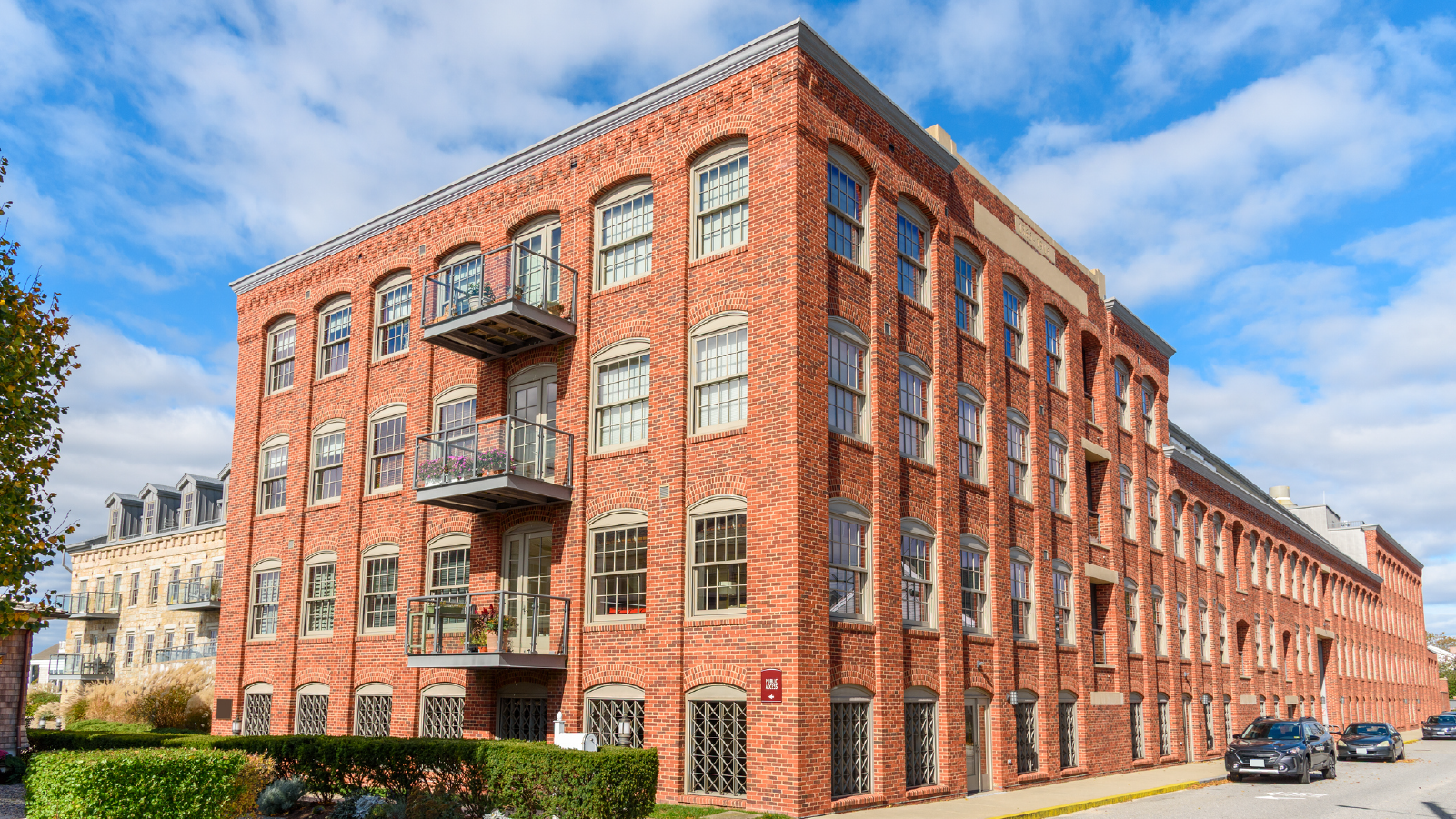
What Is Adaptive Reuse?
Adaptive reuse refers to the process of taking an existing building and modifying it for a new function. Rather than demolishing and rebuilding, project teams retain the structure while transforming its use.
Common examples include:
- Warehouse to mixed-use development
- Retail to medical or clinic spaces
- Office to residential conversions
- Churches converted into event venues or housing
Adaptive reuse allows developers and architects to preserve embodied carbon, reduce construction waste, and breathe new life into underutilized properties.
What Is Property Type Conversion?
Property type conversion is the development and real estate term for the same process. It describes changing the classification of a building from one use to another, such as commercial to residential or industrial to office. While the terminology differs, both concepts describe the same architectural challenge: adapting an existing structure to meet new functional, regulatory, and occupancy requirements.
Adaptive Reuse vs Renovation
While the two are sometimes confused, they serve very different purposes:
- Renovation improves a building while keeping the same use
- Adaptive reuse changes the building’s use entirely
In renovation, a refreshed office remains an office. With adaptive reuse, an office converted into apartments becomes a completely new building type, with new code, layout, and infrastructure demands.
Why Adaptive Reuse Is Growing in 2026

Several market forces are accelerating the growth of adaptive reuse and building conversions:
- Office vacancy continues to drive interest in residential and mixed-use conversions
- Sustainability goals favor reusing structures rather than demolishing them
- Rising construction costs make new builds more expensive than repurposing
- Zoning and urban infill policies encourage densification in existing neighborhoods
Together, these trends are making adaptive reuse a practical solution for developers, municipalities, and design teams alike.
Why Existing Conditions Matter for Adaptive Reuse Projects

Reuse projects start with unknowns. Older buildings often contain undocumented modifications, concealed utilities, irregular framing, and structural variations that are not reflected in legacy drawings.
Without accurate documentation, design teams face:
- Conflicting layouts
- Hidden MEP systems
- Structural interference
- Schedule and cost overruns
Scan-based As-Built plans eliminate this uncertainty. By capturing the building as it truly exists, teams can design with confidence rather than assumptions.
Frequently Asked Questions About Adaptive Reuse and As-Built Plans
What is adaptive reuse in architecture?
Adaptive reuse is the practice of transforming an existing building for a new purpose while retaining its structure. It allows designers to repurpose older buildings for modern use.
Why are As-Built plans important for adaptive reuse projects?
Reuse projects depend on understanding what is already there. Accurate As-Built plans reveal structural, architectural, and MEP conditions so teams can coordinate design, avoid conflicts, and reduce costly rework.
What is the difference between adaptive reuse and renovation?
Renovation upgrades a building without changing its use. Adaptive reuse converts a building to a new function, such as office to residential or retail to medical.
Do adaptive reuse projects require LiDAR or 3D scanning?
Scan-based capture is the most reliable way to document complex existing conditions. LiDAR and point clouds capture millions of precise measurements that traditional field methods cannot match.
What deliverables are typically used for reuse and conversion projects?
Common deliverables include:
- Floor plans
- Elevations
- Sections
- Revit models
- Point cloud data used to create and verify these drawings
How Architects Rely on As-Built Data for Reuse and Conversion

Accurate As-Built data supports key design decisions, including:
- Verifying floor heights and slab elevations
- Locating framing, columns, and structural elements
- Identifying plumbing and mechanical routing
- Testing feasibility for new layouts and unit configurations
By working from BIM-ready models and/or verified AutoCAD plans, architects can confidently coordinate consultants and explore design options early in the process.
The Role of LiDAR and Point Clouds in Adaptive Reuse

LiDAR scanning shoots out laser pulses with GPS to measure millions of points across a building’s interior and exterior. These points form a point cloud, which becomes a precise digital representation of the structure.
Compared to manual measurement, point clouds:
- Capture more detail
- Reduce missed conditions
- Improve dimensional accuracy
- Provide a permanent record for future phases
This data becomes the backbone for AutoCAD drawings and 3D BIM models used throughout the project lifecycle.
A Typical Adaptive Reuse Documentation Workflow
- On-site LiDAR scanning
- Point cloud processing and registration
- Drafting and modeling in AutoCAD and Revit
- Quality assurance review
- Design team begins coordinated planning
This workflow ensures design teams start with reliable, reality-based data.
Real-World Adaptive Reuse and Conversion Projects
One example of community-centered adaptive reuse is Transforming Oakland’s Abandoned Church into Affordable Housing, where a former church was converted into housing using scan-based As-Built documentation to guide architectural design and coordination.
A property type conversion example can be found in Historic Renovation in Georgetown: A Unique Architectural Journey, where a mixed-use building was repurposed into a single-family residence, requiring careful documentation of existing structural and MEP conditions before redesigning.
Common Challenges Without Reliable As-Builts

Projects without accurate documentation often encounter:
- Outdated or incomplete drawings
- Hidden utilities and structural conflicts
- Unexpected field discoveries
- RFIs and change orders
These issues increase risk and slow progress during design and construction.
Best Practices for As-Built Documentation on Reuse Projects

Successful reuse projects typically:
- Use scan-based capture
- Require QA-verified drawings
- Request both 2D and 3D deliverables
- Align documentation with consultant needs
These practices protect budgets and schedules while improving coordination.
How PPM Supports Adaptive Reuse and Property Type Conversion

PPM provides:
- Professional LiDAR scanning
- Point cloud processing
- AutoCAD and Revit modeling
- Multi-step QA workflows
- Support for multi-site and phased programs
Our As-Built documentation gives teams a dependable foundation for complex reuse and conversion projects.
Start Your Adaptive Reuse Project with Confidence
Adaptive reuse continues to grow, but its success depends on understanding what already exists. With accurate, scan-based As-Built plans, project teams reduce risk, accelerate design, and make better decisions from day one.
Request a quote or explore our As-Built services to get started.